My Cat, My Japanese, and a Rather Quiet Morning
Apparently, four months of studying Japanese has brought me to a point where I can spend a perfectly peaceful Friday morning lying in bed, questioning the grammatical implications of my cat's butt.
There he was, sitting on my phone. An entire bed at his disposal, and yet he chose the one small rectangular object I might actually need. Was it warm? Was he comfortable? Was this an elaborate psychological exercise designed to remind me whose apartment this really was?
More importantly, how the hell was I going to explain any of this in Japanese?
Welcome to my morning journal.
A Little Perspective
On July 29, I sat down to write my very first journal entry in Japanese. It went something like this:
だにです。わたしのねこはかわいいです。
つきです。ねこはここです。
I'm Danny. My cat is cute. I like this cat. The cat is here.
I couldn't even spell my own name correctly. I attempted to express my affection for my cat and accidentally wrote つき instead of すき. And my description of his whereabouts was essentially a caveman pointing at something.
Cat. Here. Cute.
Bless July Danny. He was trying.
I find that entry genuinely endearing now. It's also a particularly useful reminder of where I started, especially on the days when I convince myself that I'm not making enough progress.
So, for my first weekly journal highlight, I thought I would return to the subject that started it all.
The Demon in Question
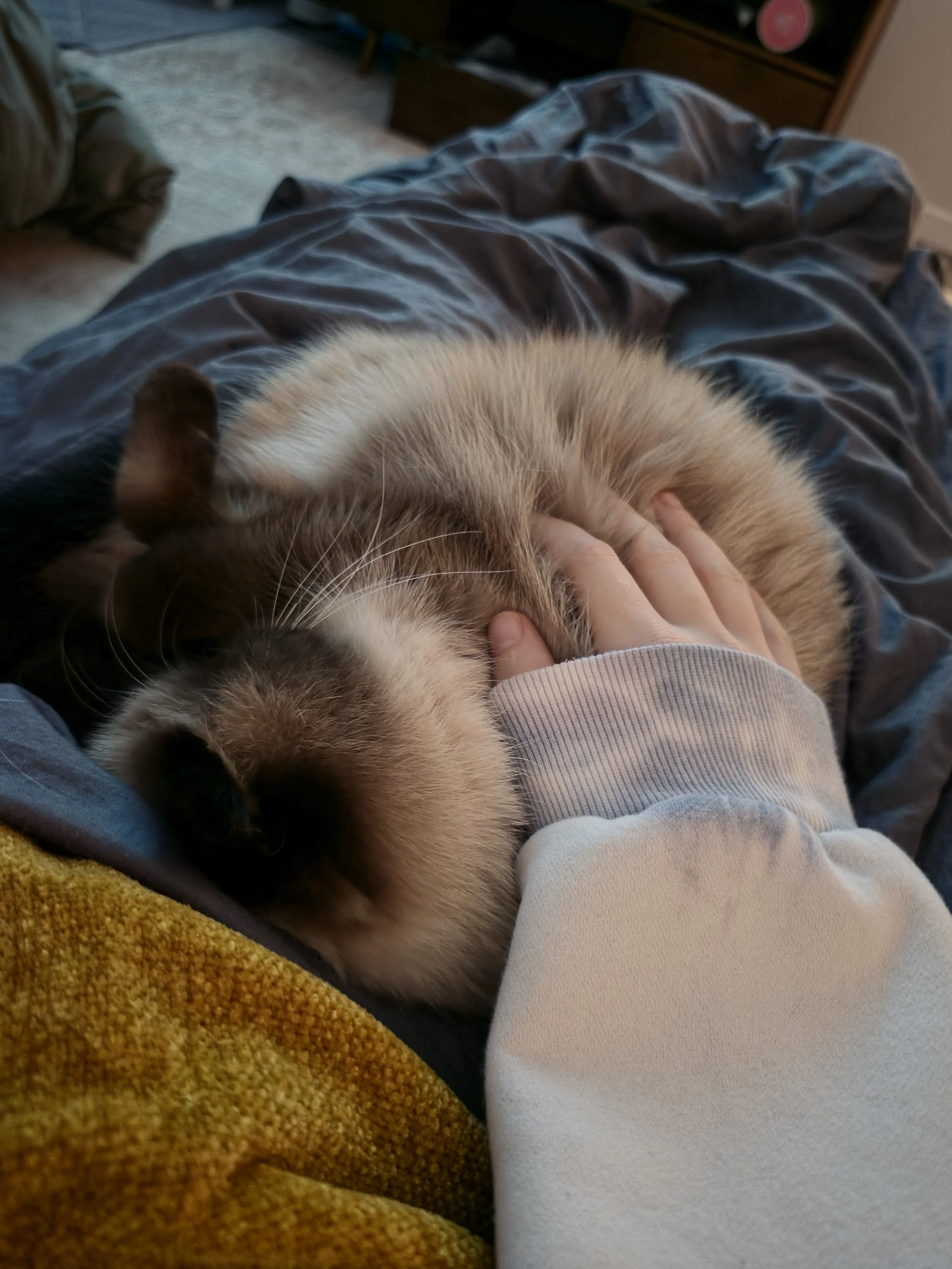
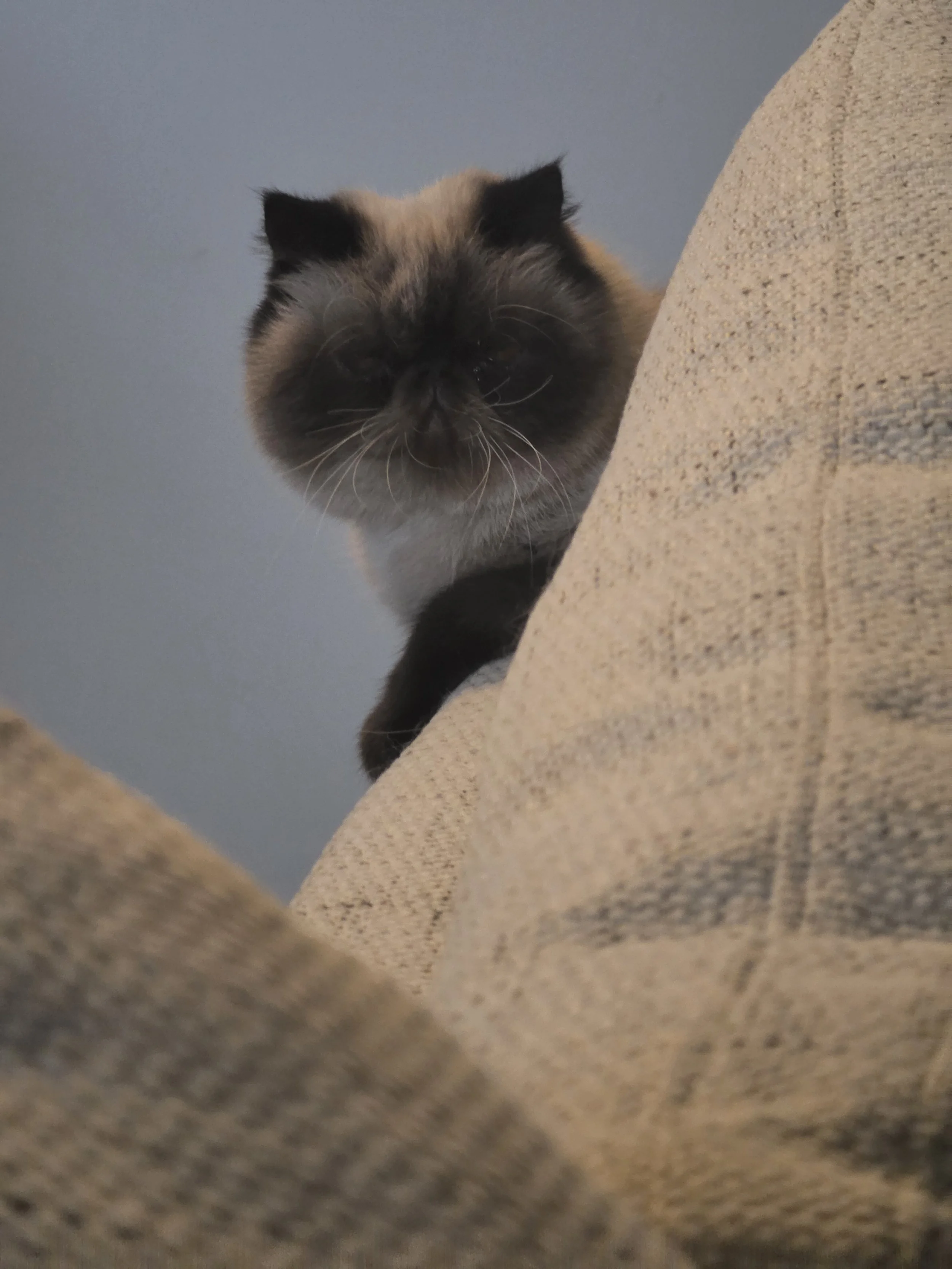
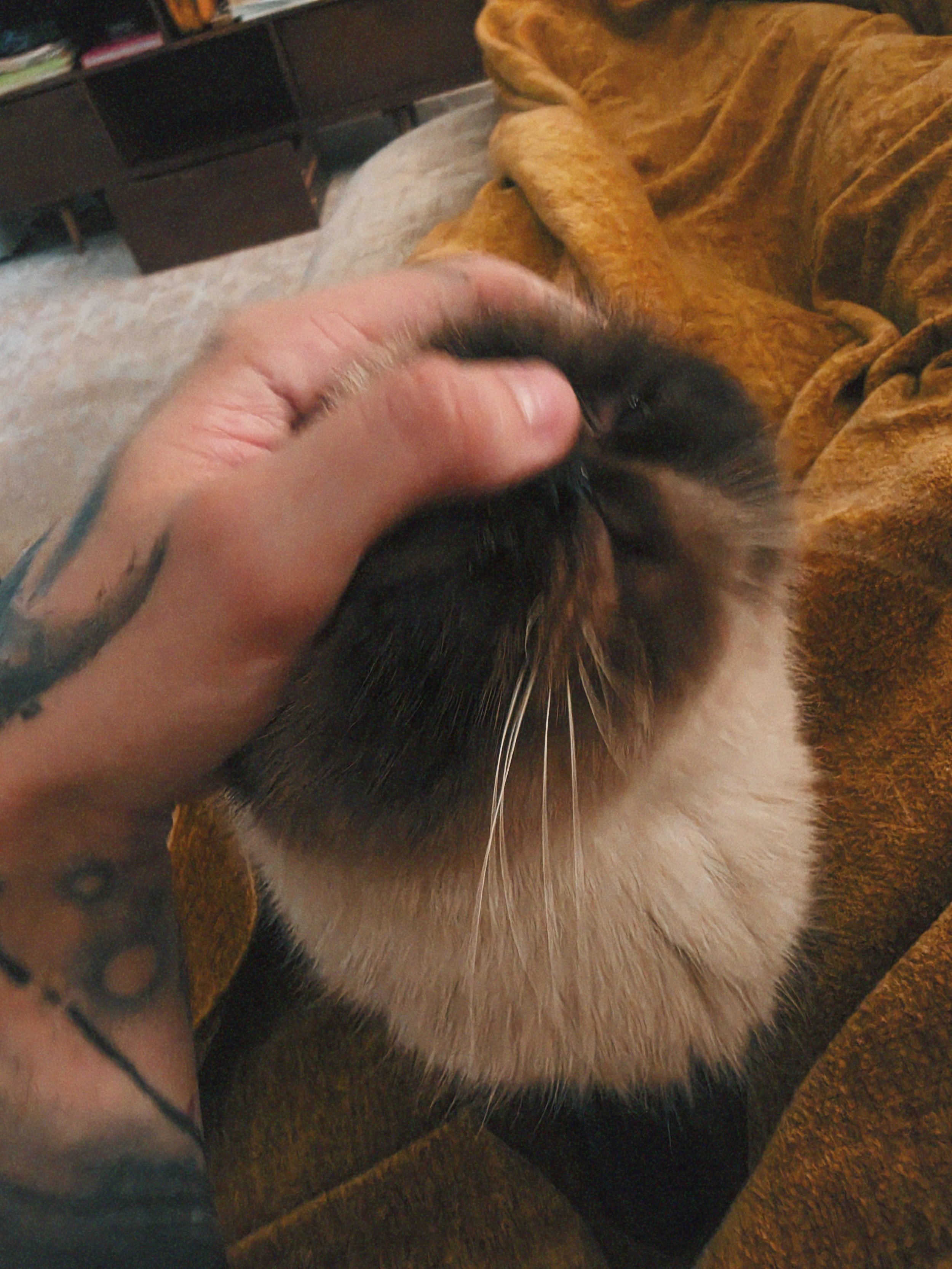
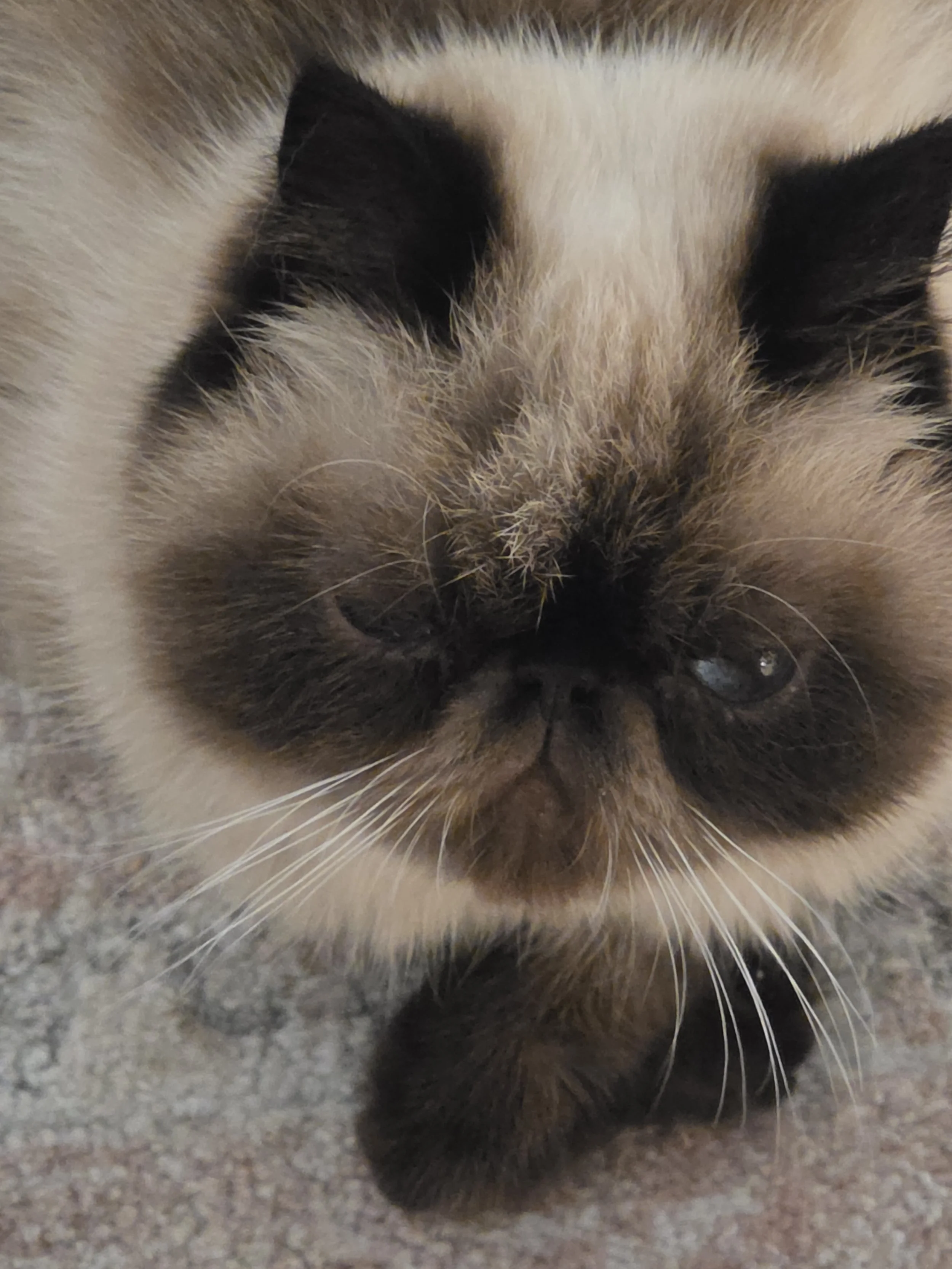
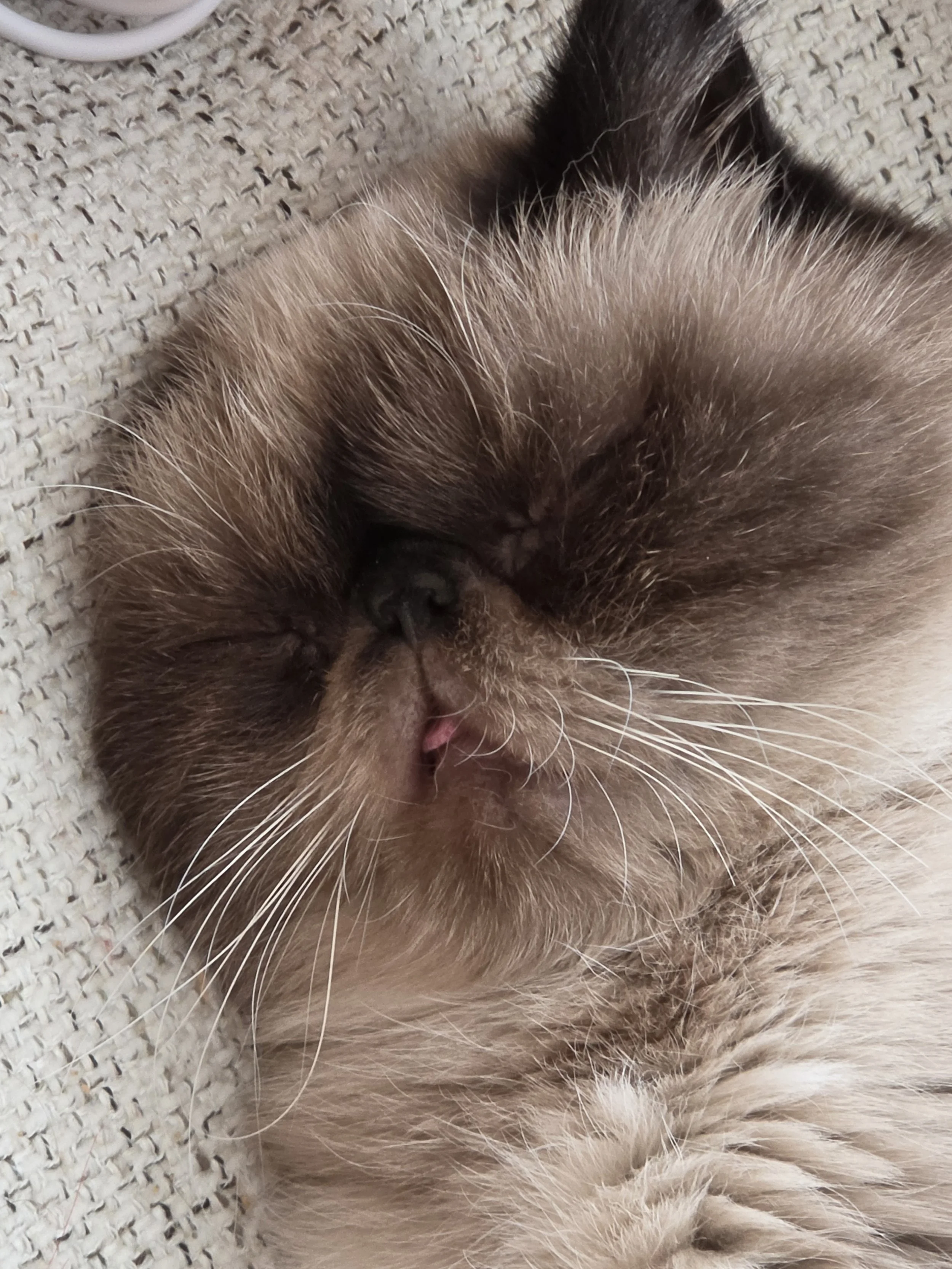
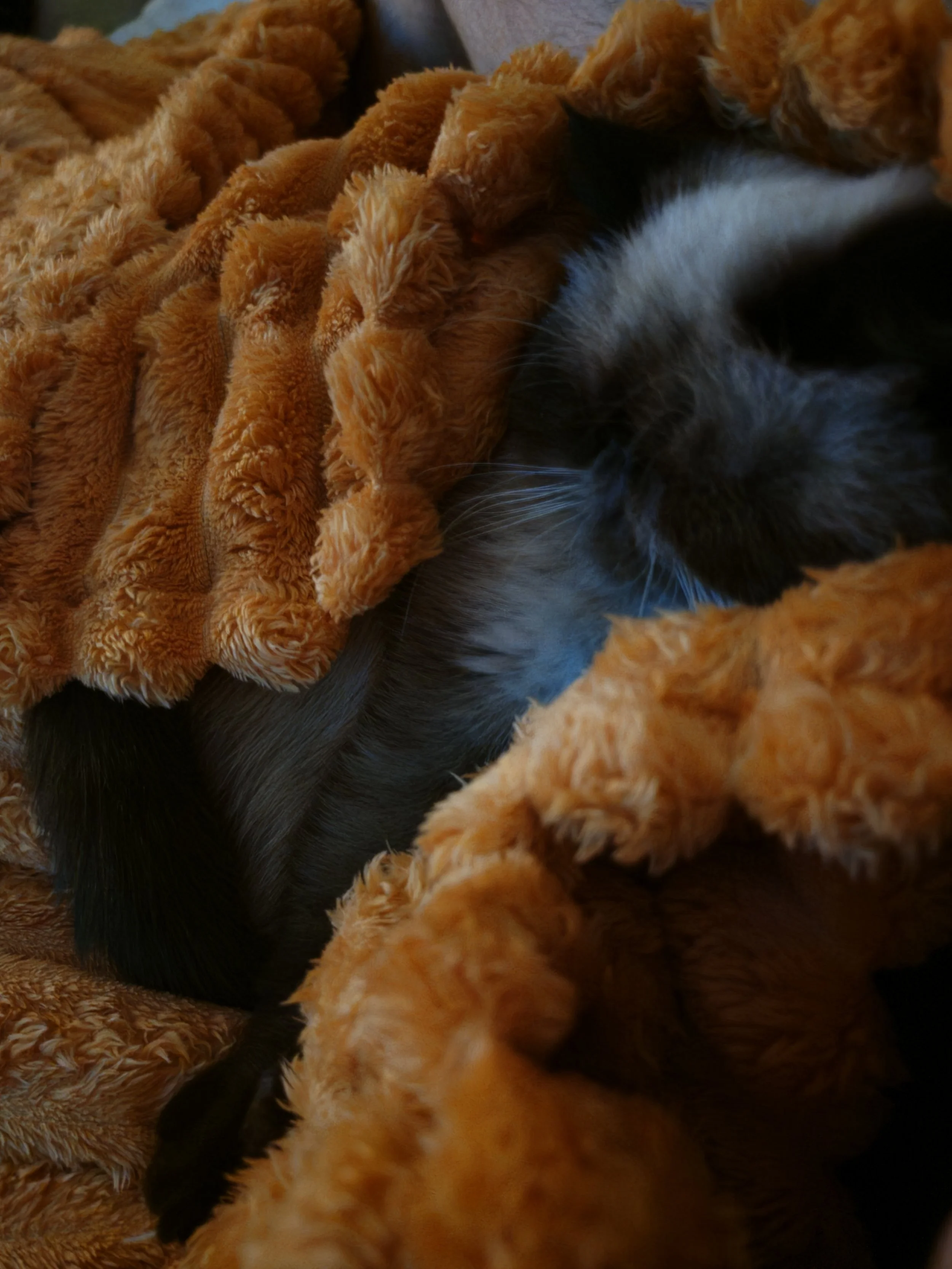
For those who haven't met him, this is Oni (鬼), my one-year-old Persian Exotic Shorthair, roommate, best friend, and occasional emotional terrorist.
He's a wonderfully plush, flat-faced little creature who haunts my bed and sofa. Wherever I go, he generally follows. Should I reciprocate that affection at a time he hasn't specifically authorized, however, I am apparently a threat to his personal safety.
Our relationship is complicated.
Nevertheless, he's this realm's best shadow, and he's proving to be an excellent, albeit unwilling, participant in my Japanese education.
It's good to keep your demons close.
A Different Kind of Progress This Week
The last week and a half has been surprisingly good for me.
After writing about my complicated relationship with Pimsleur, I felt like I'd finally given myself permission to stop agonizing over whether I was doing everything correctly. I've spent months trying to optimize how I learn Japanese, which is probably an occupational hazard of spending my professional life measuring and analyzing things.
Naturally, I turned learning Japanese into a performance dashboard.
Hours studied? Tracked. Words learned? Tracked. Kanji? Tracked. Existential crisis over whether any of those numbers actually mean anything? Ongoing.
I've since shifted my tracker to focus more on lessons, grammar, and the things I'm learning to communicate. I'm still tracking progress, but I'm finding more satisfaction in connecting what I've learned than accumulating impressive-looking numbers in a spreadsheet.
This week, I had four main areas of study:
Duolingo · Section 2, Unit 23: Talking about events
Pimsleur · Level 2, Lessons 8–12: Before, after, and expressing needs
Genki I · Lesson 4: Location and proximity
Akiko Sensei · Preply: Past tense, time and duration
Thursday's journal was a particularly encouraging moment. After reviewing my particles, I discovered I had only made one particle error.
ONE.
Considering the emotional damage は、が、を、に and で have inflicted on me over the past four months, I was practically ready to organize a parade.
Friday seemed like a good opportunity to tempt fate by putting several of them into a single sentence.
Think Japanese, Speak Japanese, Confuse Myself in English
Most mornings, I spend a little time writing before I get out of bed. It's become one of my favorite parts of the day.
My approach to journaling has evolved a bit since July. Rather than starting with an English journal and attempting to translate it into Japanese, I'm trying to begin with whatever Japanese exists in my head.
I look around, think about what I can say, and attempt to speak it out loud. I then write down in English what I was actually trying to communicate before reconstructing it in Japanese.
The English serves as a bit of a reality check between what I intended to say and whatever questionable collection of syllables came out of my mouth.
Sometimes I'm pleasantly surprised. Sometimes the two have only a passing acquaintance with one another.
What I particularly like about this process is that it helps me discover gaps in my knowledge that are relevant to my actual life. I'm finding words because I need them, rather than simply because they're next on a list.
I also try to work within the vocabulary and grammar I already know. If a sentence is too complicated, I'll often change the thought itself rather than immediately reaching for a translation tool.
I want to learn how to communicate with limited Japanese, because limited Japanese is precisely what I'll have the next time someone speaks to me.
This Week's Journal: A Quiet Morning
猫との静かな朝
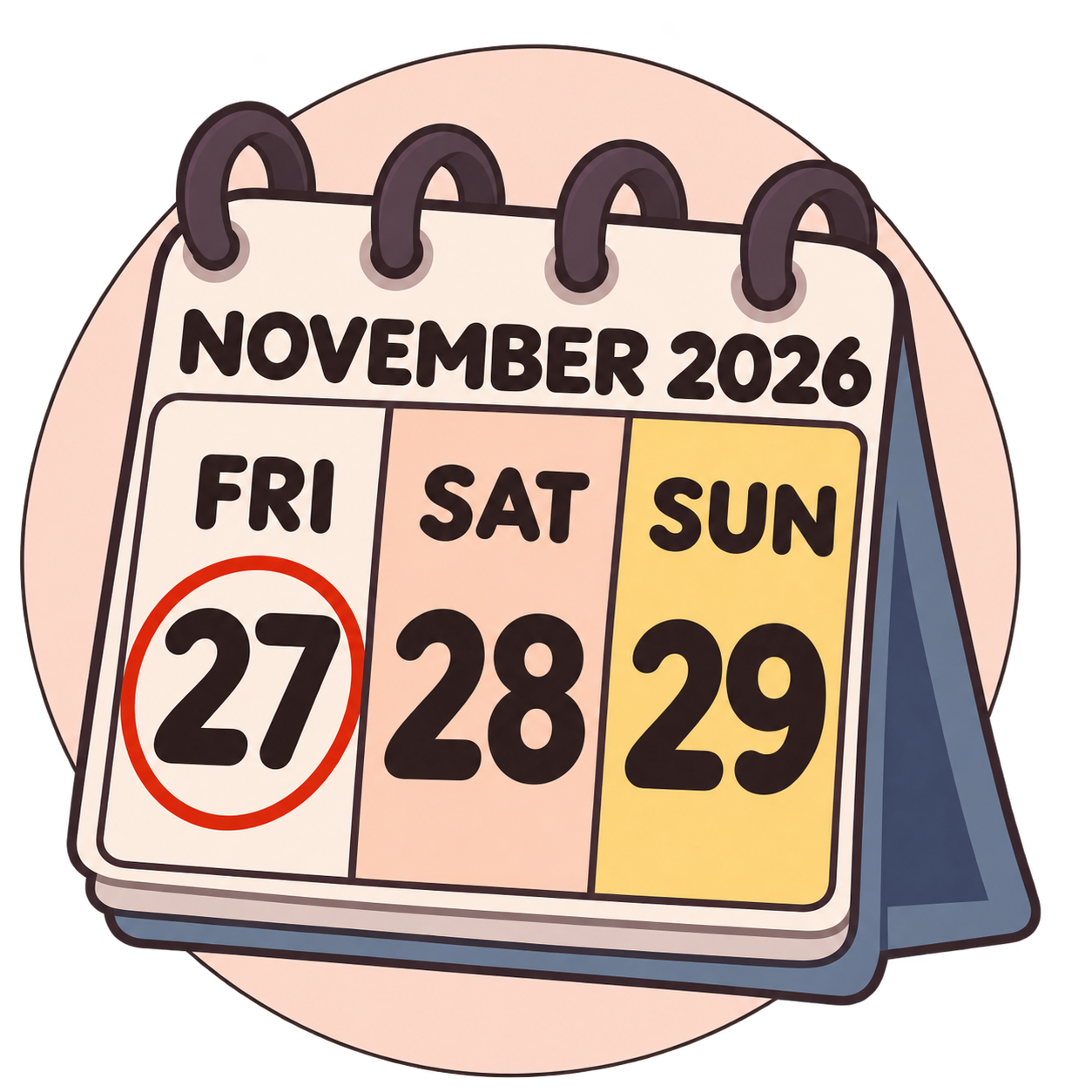
Friday, November 27, 2026
金曜日です。そして、もうすぐ週末です。嬉しい…
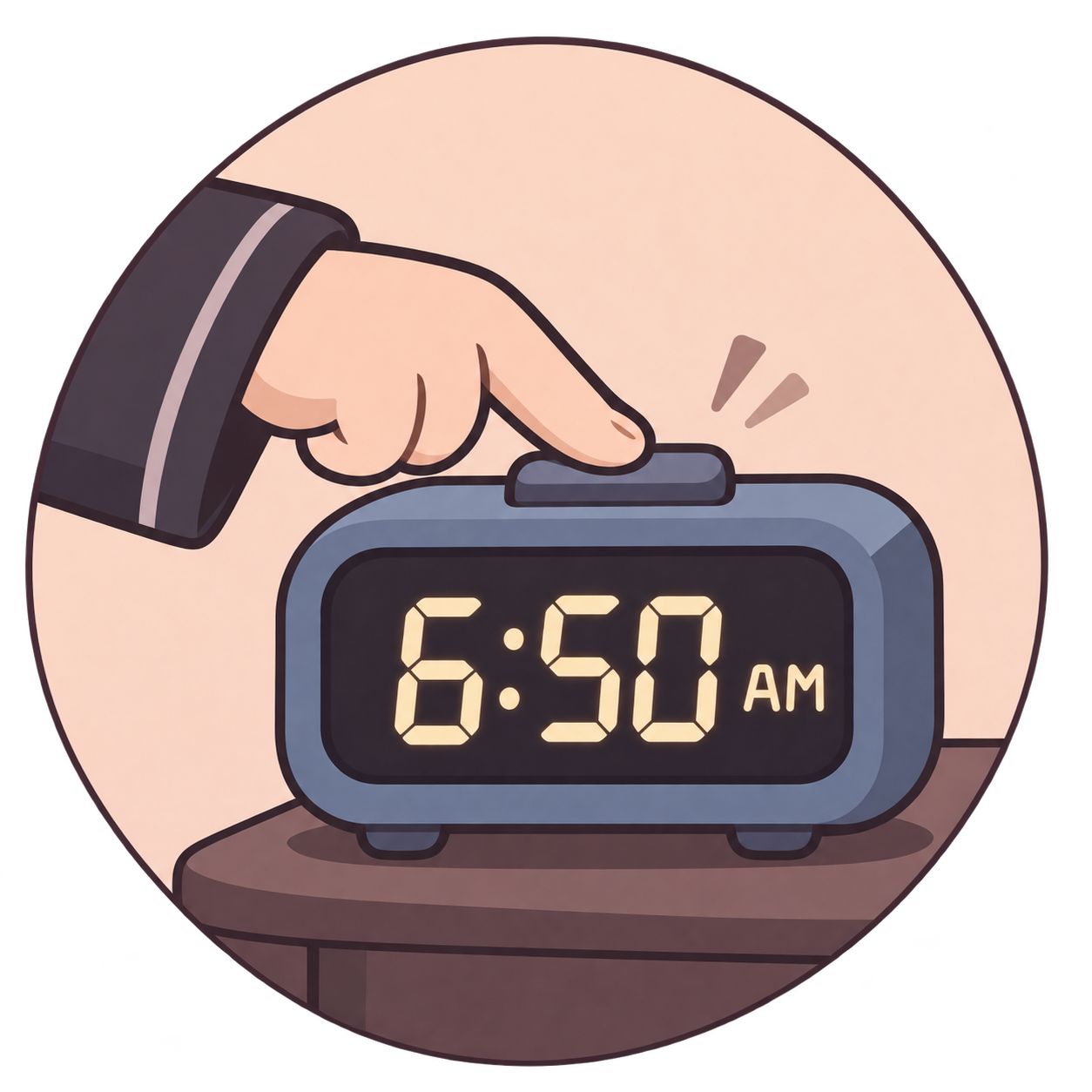
今朝七時十分前に起きました。
猫はベッドの左で、スマホの上に座りました。
スマホは暖かいですか?
ぼくは猫のとなりにいましたから、猫が走りました。
わあ…猫はぼくが怖いですか? ぼくはかわいいじゃないか!?
そのあと一時間ぐらいベッドで書きました。
今朝は楽しいですね。この時間がすきです。
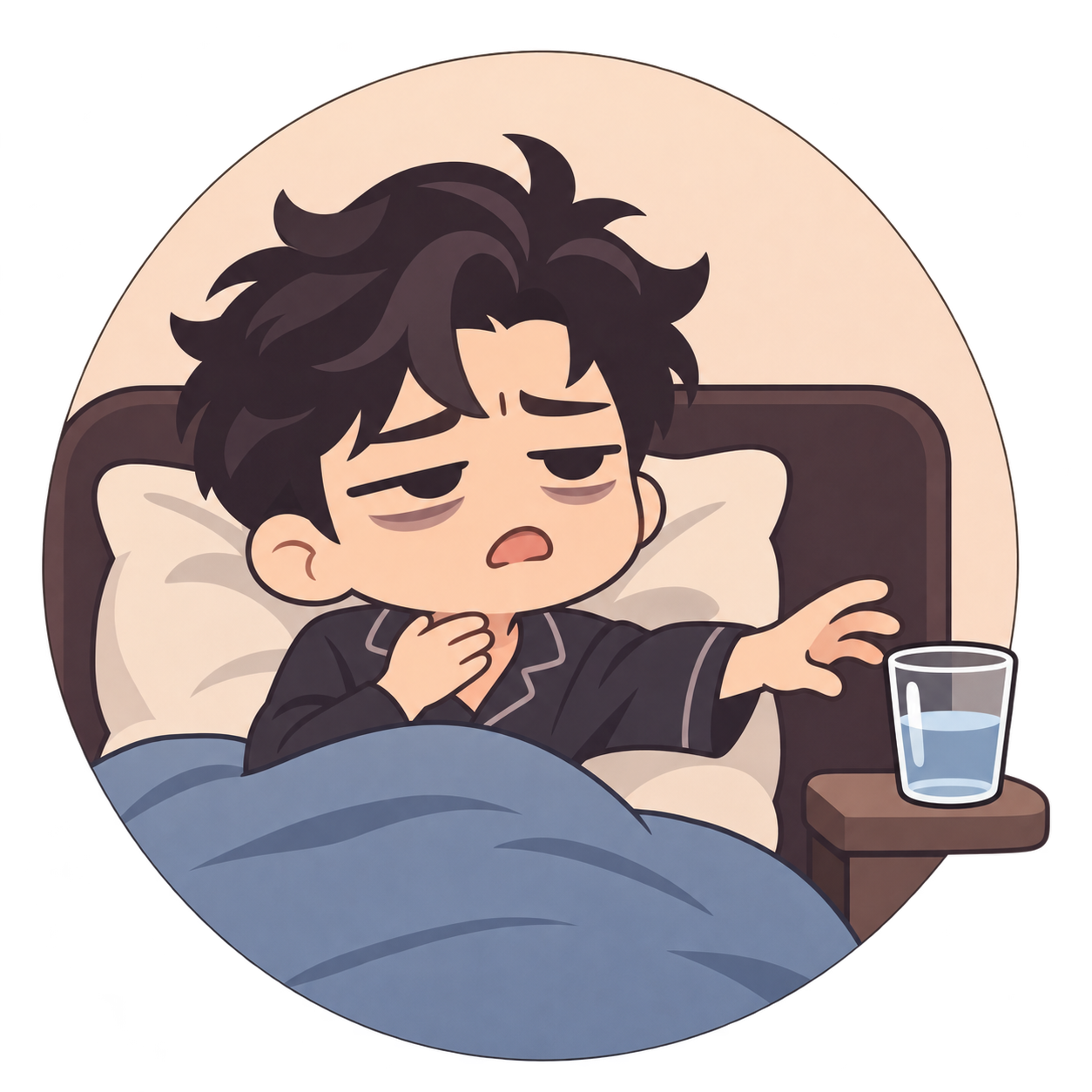
水が要りますから。もうすぐ起きます… もすぐ…
それはぼくの静かな朝でした。



In English…
It's Friday, and it's almost the weekend. I'm happy…
I woke up at 6:50 this morning. My cat sat on top of my phone on the left side of the bed. Is the phone warm?
Because I was next to my cat, he ran. Wow… is my cat afraid of me? But aren't I cute!?
After that, I wrote in bed for about an hour. This morning is fun. I like this time of day.
I need water, so I'll get up soon… soon…
That was my quiet morning.
There you have it. A riveting account of a man waking up, being rejected by a small animal, and slowly succumbing to dehydration.
But there was actually quite a lot happening behind those relatively simple sentences.
The Weekend Is Somewhere Nearby, Apparently
I started the morning with a fairly straightforward thought. It's Friday, and the weekend is close.
金曜日です。
So far, so good.
Then my newly acquired knowledge of proximity kicked in, and I attempted something involving ちかく and しゅうまつ.
I'd spent time learning how to describe things being nearby, and apparently my brain was determined to get its money's worth out of that particular lesson.
Unfortunately, the weekend isn't sitting next to the convenience store.
After hearing myself say it, I realized that もうすぐ was a better choice. I wasn't describing the physical location of the weekend. I was describing how soon it would arrive.
そして、もうすぐ週末です。嬉しい…
A much better start to the morning, and a nice little reminder that knowing the English meaning of a Japanese word doesn't necessarily mean I know how to use it.
Ten Minutes to Seven, and I'm Feeling Cool
今朝七時十分前に起きました。
I've been spending a lot of time recently working through how to express time in Japanese. Not just telling the time, but describing when something happens in relation to something else.
Before. After. How long. How recently.
This sentence came to me surprisingly easily, and for some inexplicable reason, I really enjoy saying it.
Kesa shichiji juppun mae ni okimashita.
There's something about the rhythm of it that makes me feel like I know what I'm doing.
For approximately three seconds, I am the effortlessly cool, multilingual version of myself that exists in my imagination.
Then I have to explain where my cat is sitting.
The Surprisingly Complex Geography of a Cat's Butt
猫はベッドの左で、スマホの上に座りました。
This sentence consumed considerably more brainpower than the situation deserved.
I'd recently been learning location words through Genki and my lessons with Akiko. I could describe something being on top of, underneath, beside, or behind something else.
Individually, those concepts felt manageable.
But what happens when the cat is sitting on the phone, and the phone is on the left side of the bed, and I want to communicate all of that in one sentence?
Suddenly, I'm conducting a small geographical survey of my bedroom.
My thinking was that で could establish the broader location of the activity, while に could describe the particular place Oni sat.
I'm reasonably happy with my attempt, but I'm still unsure whether it's the most natural way to construct the sentence. I've mentally bookmarked this one for Akiko.
And after all that effort to describe his whereabouts, I found myself asking him:
スマホは暖かいですか?
Is the phone warm?
He didn't respond.
Which is probably for the best, because I doubt I would have understood his answer.
Rejection, but Make It Educational
Things took a turn when I attempted to describe Oni running away from me.
My original attempt was:
ぼくは猫のとなり時、猫が走りました。
I could practically feel this sentence falling apart as I said it.
I was trying to communicate when I'm next to my cat, he runs away, but I hadn't properly learned the grammar I needed to express that relationship.
I sat there for a little while trying to force the sentence into existence before deciding that perhaps I should simply tell the story differently.
I knew how to describe being beside something. I also knew how to express a reason using から.
What if I just used those?
ぼくは猫のとなりにいましたから、猫が走りました。
Because I was next to my cat, he ran.
It wasn't quite the same meaning, but it communicated the general idea using grammar I understood.
I encountered a similar problem trying to ask whether I had scared him. Instead, I settled for:
猫はぼくが怖いですか?
Is my cat afraid of me?
And, naturally, I felt the need to defend myself.
ぼくはかわいいじゃないか!?
But aren't I cute!?
I rather like this part of the journal. Not because it's particularly sophisticated Japanese, but because there's finally a little bit of me in it.
My earlier journals often felt like a series of observations delivered by a particularly uninteresting robot.
I woke up. I ate breakfast. I studied Japanese. I went to bed.
Now, occasionally, I can inject a little personality, humor, or commentary into what I'm saying.
Even if the recipient of that commentary is a cat who has already left the room.
Some Things Are Getting Easier
そのあと一時間ぐらいベッドで書きました。
After that, I wrote in bed for about an hour.
There's nothing especially exciting about this sentence. What excites me is how little effort it took to put together.
A sequence of events, a duration, a location, and a past-tense verb. All things that, at various points over the last few months, have individually caused me problems.
Here they are, quietly coexisting in a sentence without requiring an intervention.
I also wanted to express that I enjoyed this part of my morning. Rather than trying to describe it as the type of day I like, I simplified it to:
この時間がすきです。
I like this time.
And I do. There's something rather lovely about these quiet mornings. Before work, before emails, before the rest of the world needs anything from me, I get to lie in bed and explore a language I'm slowly falling in love with.
Even when it frustrates me.
Eventually, however, the limitations of the human body intervened.
水が要りますから。もうすぐ起きます… もすぐ…
I'd recently been learning how to express that I need something in Pimsleur, so my increasing thirst presented a convenient learning opportunity.
Look at that. Dehydration contributing to my education.
I also rearranged my original thoughts so that the need for water became the reason I was getting up, giving me another opportunity to practice から.
And finally:
それはぼくの静かな朝でした。
That was my quiet morning.
This last sentence was surprisingly challenging for me. I wanted something that felt like a closing thought rather than just another observation.
It's a small thing, but having a beginning, middle, and end made the entry feel a little more like a story.
New Vocabulary, Courtesy of My Unaffectionate Child
After finishing the journal, there was one particular gap in my vocabulary I wanted to revisit.
Oni didn't simply run. He ran away.
An important distinction, particularly for the person being abandoned.
I looked into a couple of verbs that would help me express this more accurately next time.
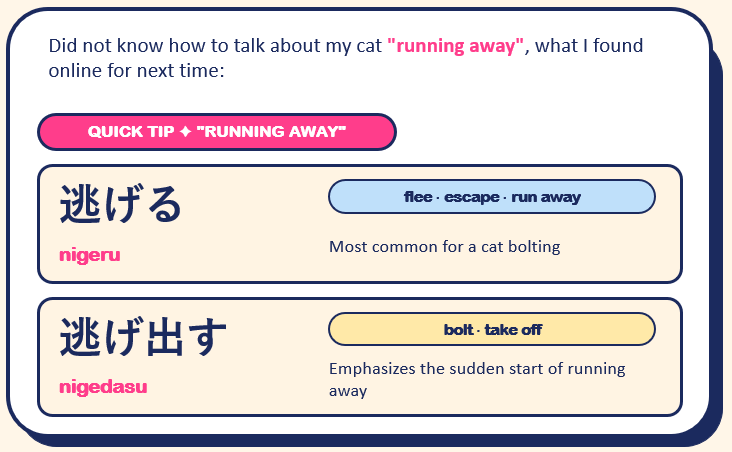
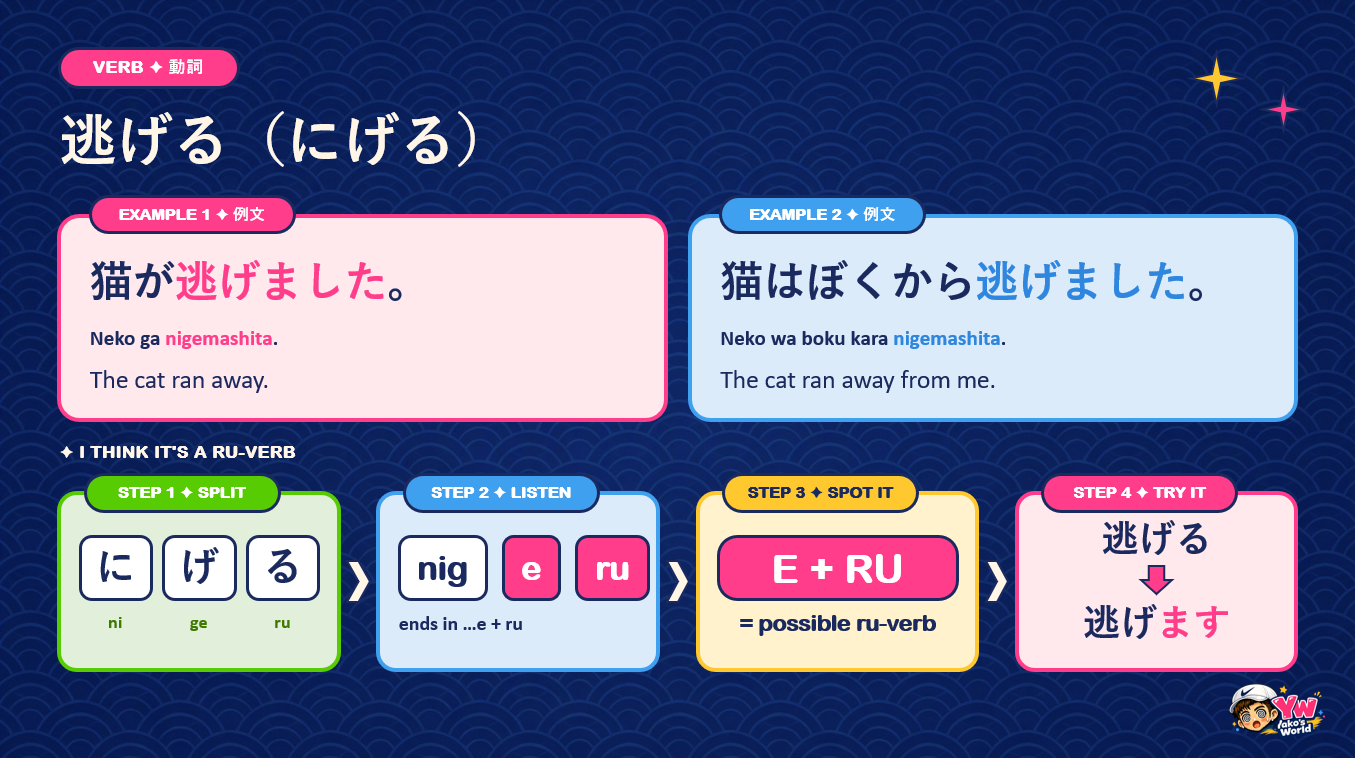
It also gave me an opportunity to practice identifying verb groups, something Akiko and I have been working on.
Looking at にげる, I noticed the e sound immediately before る, suggesting it could be a ru-verb. It's not a foolproof rule, but in this case, it worked.
逃げる → 逃げます → 逃げました
And now I have two new sentences at my disposal.
猫が逃げました。
The cat ran away.
猫はぼくから逃げました。
The cat ran away from me.
Wonderful. I'm now equipped to describe rejection in two languages.
But seriously, this is increasingly how I want to learn vocabulary and kanji. Find a word through an experience, understand how it works, create a few sentences, and gradually incorporate it into the Japanese I actually use.
I have a feeling this particular verb will stick.
Learning to Sound a Little More Like Myself
Looking back at my July journal, I think what I'm most excited about isn't necessarily the difference in length or the amount of grammar I've learned.
It's that I can tell you a little more about who I am.
In July, you knew I had a cat and thought he was cute.
In November, you know I'm a morning person who enjoys writing in bed, overanalyzes his cat's behavior, takes rejection personally, and would apparently rather risk dehydration than leave the comfort of his blankets.
There's still a tremendous amount I can't communicate. But the little glimpses of personality that are beginning to emerge in my Japanese feel meaningful.
I'm also finding a lot of enjoyment in creating things around my learning. Making illustrations, building flashcards, writing these blogs, and finding new ways to share what I'm learning gives me a creative outlet I hadn't really anticipated when I started studying.
It's beginning to feel like a hobby I genuinely enjoy, rather than another thing I need to be good at.
Getting Comfortable With Being Bad at Something
One of the things I'm hoping to accomplish by sharing a journal each week is to become a little less self-conscious about my Japanese.
It's surprisingly uncomfortable being a beginner again as an adult. I've spent much of my adult life developing confidence in my ability to communicate, articulate complex ideas, and express my personality. Now I'm voluntarily spending my mornings struggling to explain where a cat is sitting.
A humbling experience, to say the least.
There's also a temptation when sharing something publicly to clean it up, correct all the mistakes, and present a version of yourself that's a little more competent than the reality.
But what would be the point of that here?
I'd rather share the awkward sentences, questionable grammar, and occasionally misguided thought processes alongside the little breakthroughs. I want to document what learning Japanese actually looks like for me, not what it looks like after someone more competent has tidied up the evidence.
I also hope that sharing these journals creates opportunities to get feedback, learn from other people's experiences, and gradually become more comfortable expressing myself in Japanese.
And selfishly, I want something to look back on. Reading that first journal from July made me smile in a way that looking at my study tracker never quite has. I hope that four months from now, I'll read this entry with the same affection.
Perhaps I'll even wonder why describing the location of a cat's butt was ever so difficult.
Until then, I'll keep writing, making mistakes, and figuring things out as I go.
If you're learning Japanese too, I'd love to know how you approach journaling. Do you start in Japanese? Do you translate from your native language? Do you have a small, uncooperative animal contributing to your vocabulary acquisition?
I've never learned another language before, and I certainly don't have all the answers. But I'm increasingly enjoying the process of finding them.
一緒にがんばろう!